


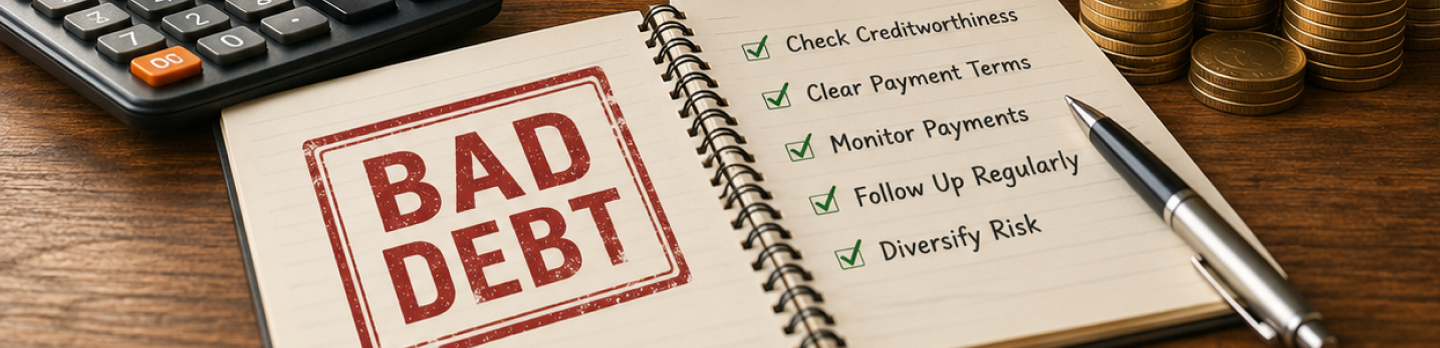
Understanding Bad Debt & How You Can Avoid It
Taking a loan can be a lifesaver, but it can quickly turn into a burden if you are not able to make payments. In addition to obviously affecting your credit score, bad debt can lead to increased costs and unnecessary financial stress.
At AFI, we believe understanding what is bad debt and how it may affect you as a borrower is the first step towards maintaining a sound financial life. Let’s take a look at bad debt and on ways how you can steer clear of it.
What Is Bad Debt?
Money borrowed from a lender and not paid back is known as bad debt. For the lender, it's a loss, but for the borrower, it's a major financial error that could ruin future prospects.
- From Your Perspective: It’s a loan or credit that you’re unable to repay. This is not about missing one or two payments, bad debt happens when the debt goes into default. At this point, the borrower's credit health can be severely damaged. Once repayments are missed consistently, penalties, rising interest, and recovery actions quickly follow from the lender’s side.
- From a Lender's Perspective: After all reasonable efforts to collect payments have failed, the institution must officially "write off" the debt as a loss on their books, which impacts them and may increases their risk associated with future lending.
What Causes Bad Debt?
To understand what is bad debt, it’s important to know the common causes that lead loans to become unmanageable:
Unmanaged Borrowings
Taking multiple loans at once: personal loans, credit card bills, and EMIs without a clear repayment plan.
Loss of Income
Not meeting repayment requirements due to job loss, pay reductions, or delayed payments.
Poor Credit Awareness
Many borrowers are unaware of how missed payments affect their CIBIL score and future borrowing ability.
Emergencies Without Backup
Urgent expenses like medical bills or sudden travel without an emergency fund could often force to delay or skip EMIs.
High-Interest Credit
Relying heavily on credit cards or informal loans can trap borrowers in a cycle of interest-heavy repayments.
Impact of Bad Debt on People & Institution
Knowing what is bad debt can help you in understanding its far-reaching impact on both individuals and institutions. Let's see how it can affect both parties adversely.
| For Individuals (Borrowers) | For Institutions (Banks / Institutions) |
|---|---|
| Your credit score drops, making it very hard to get any new loans. | Money that is never collected directly impacts their profits. |
| New loans become much more expensive with higher interest rates. | They spend money on collection agencies and legal fees to chase bad debts. |
| The worry of dealing with collections and financial instability affects your health and peace of mind. | Their financial reports will show losses from all the unpaid debts. |
| It can result in delayed milestones like buying a home or investing in education. | A high rate of bad debt could potentially shake investor and client confidence. |
| Risk of court cases or property being taken away. | They face more complex tax and accounting problems. |
| You won't easily qualify for new credit cards or personal loans. | They are forced to create stricter rules, making it harder for everyone to get a loan. |
| You might have to borrow from family or dangerous loan sharks. | They may face cash flow problems and even may struggle to pay their own employees. |
| May lead to feelings of embarrassment or shame. | Could lead to Investors pulling their funding. |
| In the worst case, it can lead to personal bankruptcy. | It becomes harder for them to get loans from bigger banks. |
| Your big life goals get delayed, like buying a house, higher studies, or retirement. | Their business slows down because they're focused on collecting old debts instead of new business. |
| May lead to health issues due to constant financial pressure. | If the company struggles badly, its employees could lose their jobs. |
| You could lose valuable assets you put up as collateral, like your car or home. | They may run risk of court cases from their creditors. |
| You have no money left to invest in learning new skills or starting a business. | They miss out on opportunities because other companies are wary of working with them. |
| You can get stuck in a cycle of debt, taking new loans just to pay off old ones. | Their position in the market becomes weaker compared to their competitors. |
| You may lose trust in banks and financial systems. | Government regulators watch them more closely, leading to more audits and inspections. |
How to Avoid Bad Debt (from Borrower perspective)
1. Borrow Responsibly
Only borrow what you can repay comfortably within your monthly income.
2. Track Your Credit Usage
We advise you to regularly monitor your credit card bills and loan EMIs.
3. Build an Emergency Fund
Setting aside 3–6 months of expenses can help during job loss or medical emergencies.
4. Prioritise Repayments
Pay off high-interest loans first, such as credit card dues, before other obligations.
5. Avoid Frequent Loan Applications
Too many loan enquiries lower your CIBIL score and signal risk to lenders.
6. Seek Help Early
If repayments are becoming difficult, you could talk to your lender about restructuring or consolidating your debt. This way, you can avoid falling into situations that define what is bad debt - loans that spiral into defaults and long-term financial stress.
Does Ayaan Finserve Help me with managing Bad Debts?
No, as an NBFC, Ayaan Finserve India has clear eligibility requirements for loans: such as a CIBIL score of 500+, stable employment, and a minimum monthly salary. These criteria are achievable only if you manage your credit responsibly and avoid falling into bad debt.
This is true across all financial institutions: good repayment behaviour is essential for continued access to credit.
Frequently Asked Questions (FAQs)
1. What are simple steps to prevent bad debt?
In order to keep yourself safe from the difficulties that may arise because of it, it is advisable to plan finances before taking a loan, stick to a repayment schedule, and keep track of one’s credit score.
2. How can I recover from existing bad debt?
We believe the first step should be to start by clearing high-interest debt first, then consider debt consolidation, and to avoid adding new loans until you’re stable.
3. Why is monitoring credit usage important?
This is important because today lenders rely heavily on your credit history. A strong repayment record makes future borrowing cheaper and lot easier.
Share this post: